
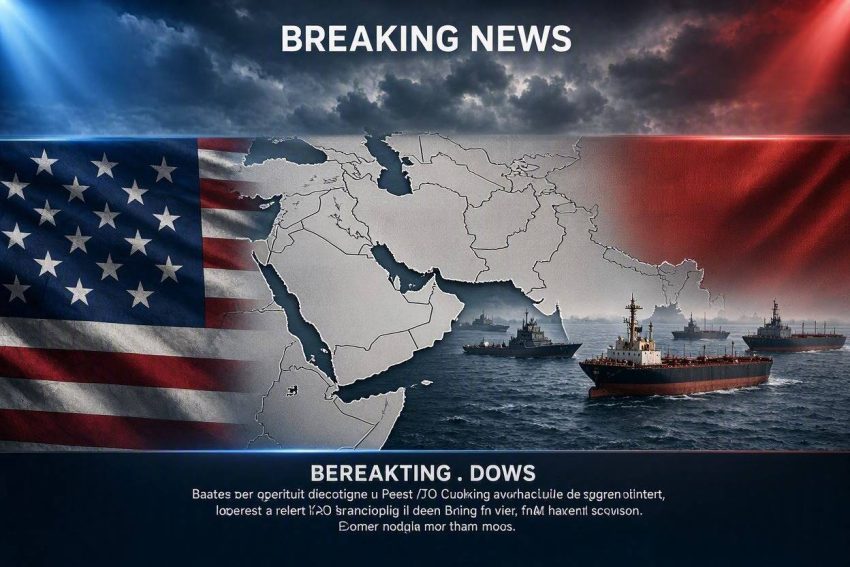
US Iran War: Trump Threatens to Make Strait of Hormuz US Territory
The US Iran War tensions have reached a new boiling point as former US President Donald Trump made a shocking statement claiming that the Strait of Hormuz could become United States territory. In a strong response, Iran has firmly rejected this claim, insisting that the crucial waterway “will remain Iranian.” This escalating dispute has sent shockwaves across the global geopolitical landscape.
Tehran has also demanded that Qatar release three Iranian pilots who reportedly went missing during the ongoing conflict. As tensions continue to rise, the world watches closely to see how this confrontation between the two powers will unfold.
Iran’s Strong Response to Trump’s Hormuz Claim
Iran wasted no time in rejecting Donald Trump’s controversial statement about the Strait of Hormuz. Iranian officials have made it clear that the strategic waterway is and will always remain under Iranian sovereignty. The Iranian government stated that any attempt by the United States to claim the Hormuz Strait would be considered an act of aggression.
The Strait of Hormuz is one of the most important shipping routes in the world, with nearly 20% of global oil supply passing through it daily. Any disruption in this region could trigger a massive global oil crisis.
Top 5 US Iran War Updates You Must Know
Here are the most critical developments in the ongoing US Iran War tensions that everyone should be aware of:
1. Iran Sets Conditions for Reopening Hormuz
Iran has announced that the reopening of the Strait of Hormuz depends entirely on the United States fulfilling specific conditions. Tehran is using the strait as leverage in its ongoing negotiations with Washington.
2. Israel Intensifies Lebanon Strikes
Israeli forces have intensified their military strikes on Lebanon, killing at least 11 people in the latest wave of attacks. The situation in southern Lebanon continues to deteriorate rapidly.
3. Houthis Launch Sixth Ballistic Missile Attack on Marib
Yemen’s Houthi rebels have launched their sixth ballistic missile attack on the city of Marib, further destabilizing the region. The Houthis have also declared a naval blockade of Saudi Arabia.
4. Israeli Air Raids Trigger Explosions Across Southern Lebanon
Massive explosions have been reported across southern Lebanon following intense Israeli air raids. The scale of destruction is unprecedented in recent months.
5. Flights Resume at Iran’s Bandar Abbas Airport
After days of disruption, flights have resumed at Iran’s Bandar Abbas airport. This development suggests some level of normalcy is returning to certain parts of Iran despite the ongoing crisis.
Houthis Declare Naval Blockade of Saudi Arabia
In a major escalation, Yemen’s Houthi forces have officially declared a naval blockade of Saudi Arabia. This announcement comes amid ongoing tensions in the Red Sea region. The blockade could severely impact Saudi Arabia’s maritime trade and further destabilize the Middle East.
In a separate incident, two Yemeni rescuers were tragically killed in a second Houthi strike, adding to the growing death toll in the region.
Why the Strait of Hormuz Matters
The Strait of Hormuz is a narrow waterway between Iran and Oman that connects the Persian Gulf to the Gulf of Oman and the Arabian Sea. It is considered one of the world’s most strategically important chokepoints for several reasons:
- Oil Transit: Nearly 20% of the world’s oil supply passes through this strait daily
- Global Trade: Major shipping route for international commerce
- Military Significance: Home to US Navy’s Fifth Fleet operations
- Economic Impact: Any disruption causes immediate spikes in global oil prices
- Geopolitical Tensions: Historic flashpoint between Iran and Western powers
Global Reactions to Growing US Iran Tensions
The international community has expressed serious concern over the escalating US Iran War tensions. Major world powers, including Russia, China, and the European Union, have called for immediate de-escalation. Oil markets have already started reacting, with crude oil prices showing significant volatility.
Middle Eastern countries, particularly Gulf states, are closely monitoring the situation as any military confrontation could have devastating consequences for the entire region.
What’s Next in the US Iran Conflict?
Analysts predict that the coming weeks will be crucial in determining the direction of the US Iran War situation. Several key factors will play a role:
- Diplomatic efforts by neutral countries
- Iran’s willingness to negotiate
- Trump’s next policy statements
- Regional allies’ positions
- Global oil market reactions
Impact on Global Oil Prices
The ongoing crisis has already started affecting global oil prices. Any military confrontation in the Strait of Hormuz could push oil prices to unprecedented levels, potentially triggering a worldwide economic crisis. Consumers around the world may soon feel the impact at gas pumps.
Final Thoughts
The US Iran War tensions represent one of the most dangerous geopolitical situations in recent years. With Trump’s provocative statements about the Strait of Hormuz and Iran’s firm rejection, the world is watching anxiously to see if diplomacy will prevail or if military conflict is inevitable.
The situation remains extremely fluid, with new developments emerging every hour. Stay tuned to USAETV.com for the latest updates, breaking news, and expert analysis on the US Iran conflict and Middle East crisis.
Related News
For more updates on international affairs, check out our coverage on:
Read More: Los Angeles Rams vs. Kansas City Chiefs 2024: Match Preview, Start Time & How to Watch Live